
Kupuj więcej, płać mniej
Echinopsis Cuzcoensis — The Cuzco Cactus
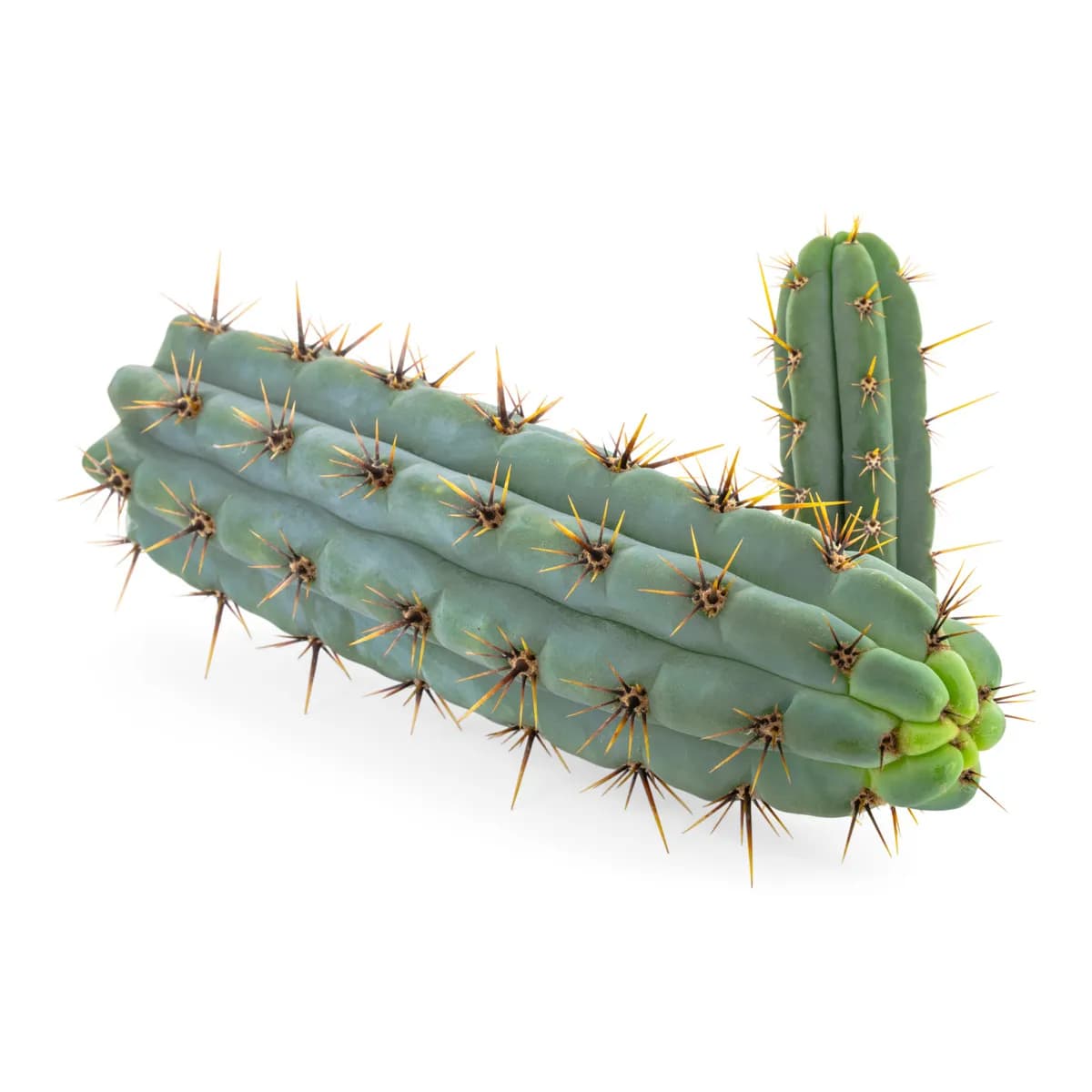
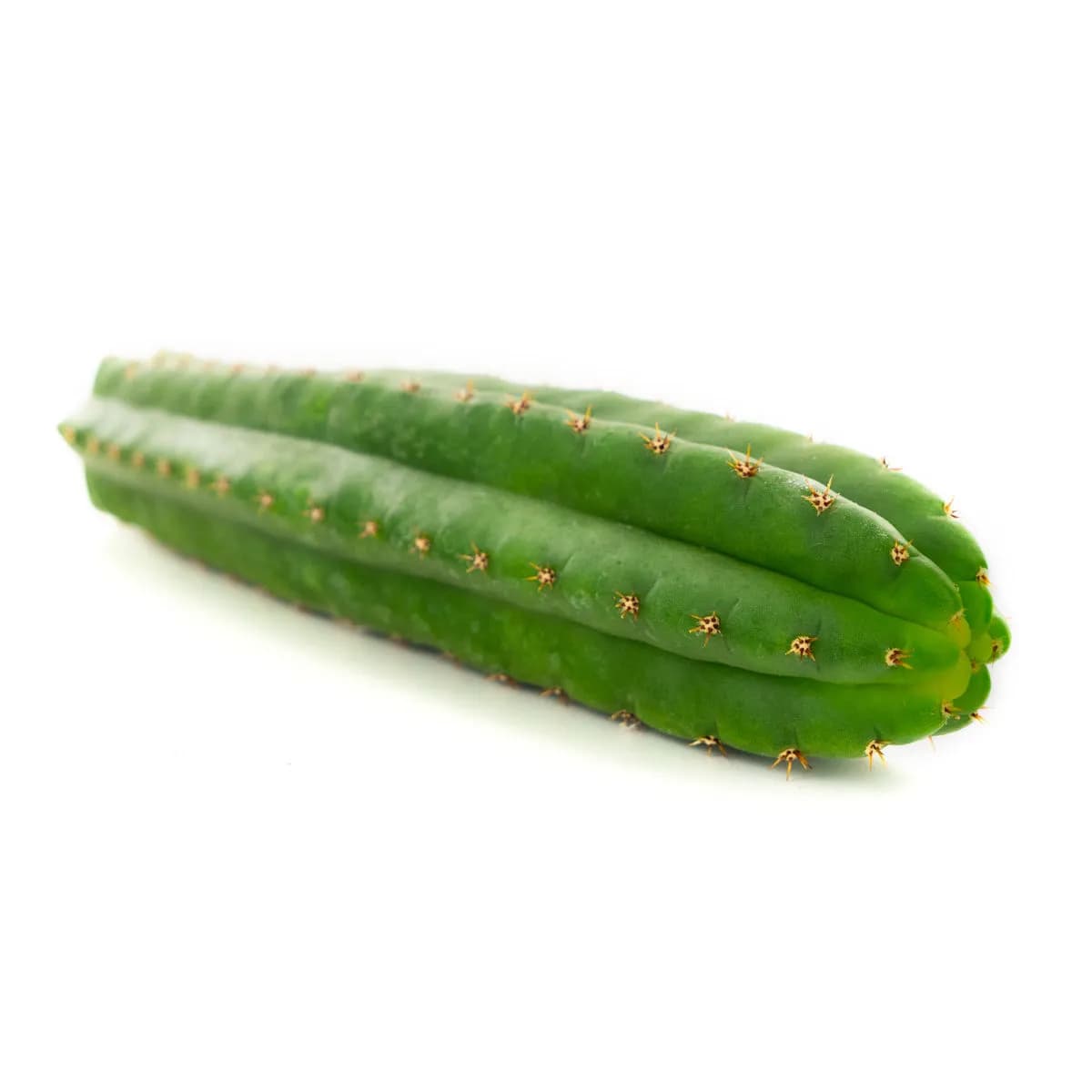
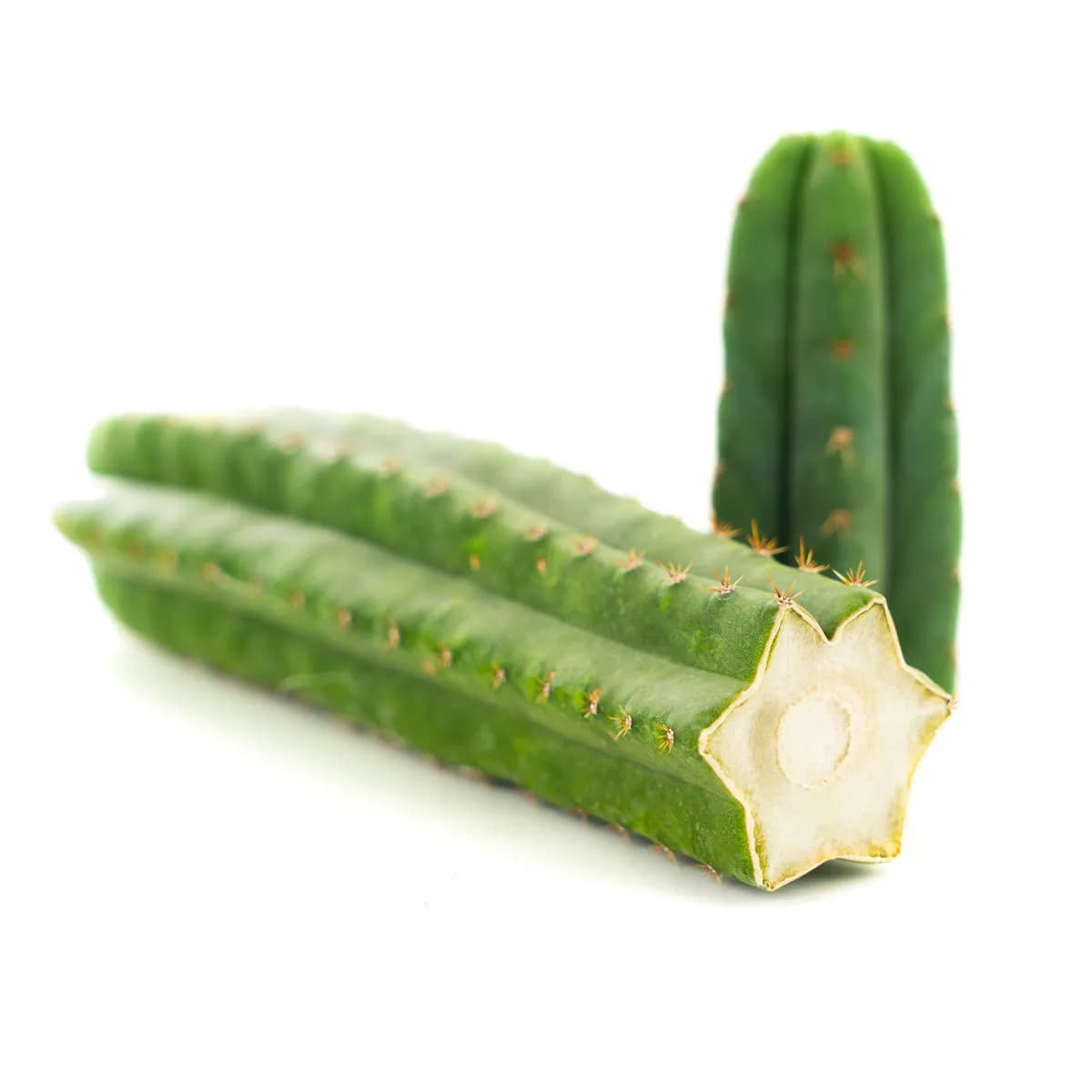
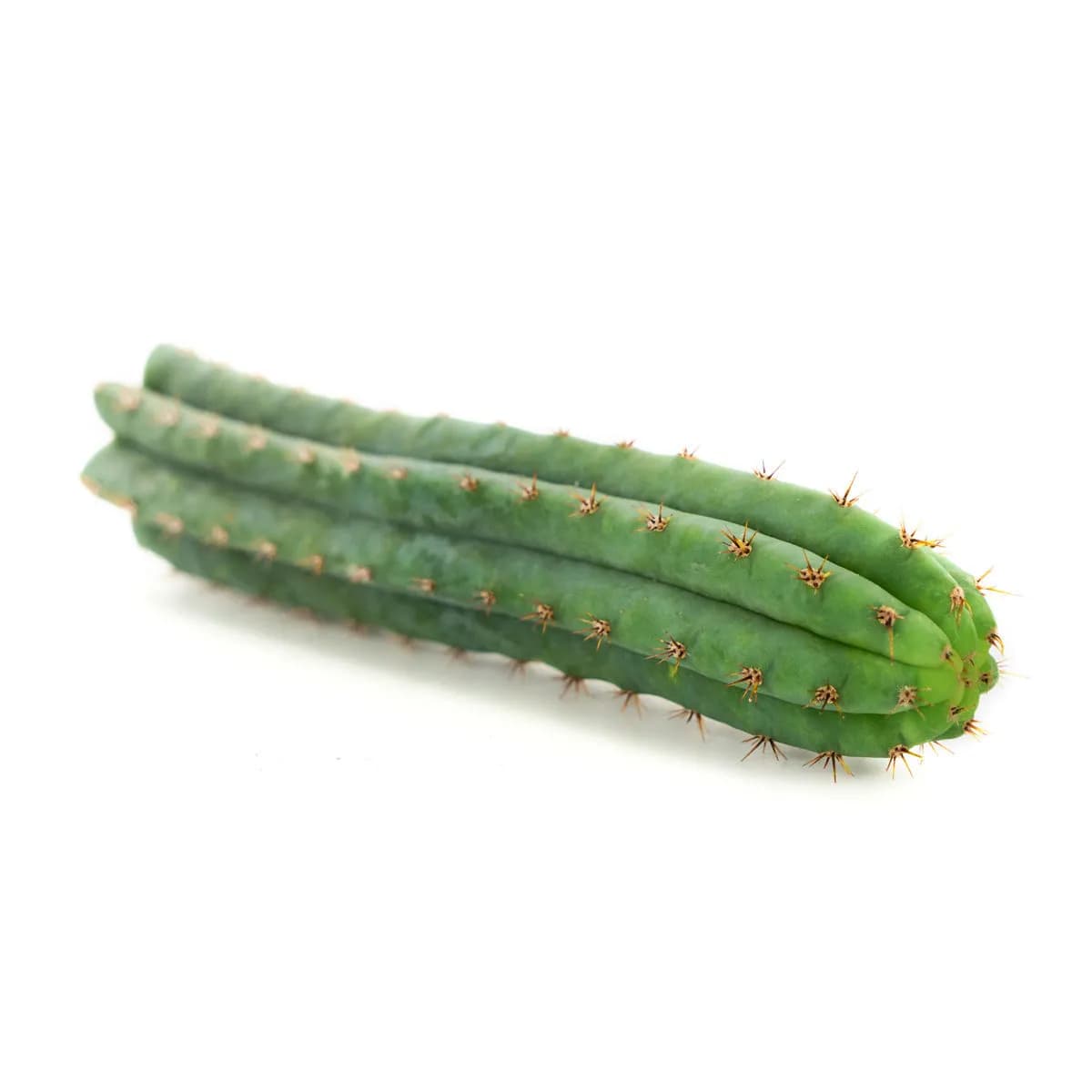
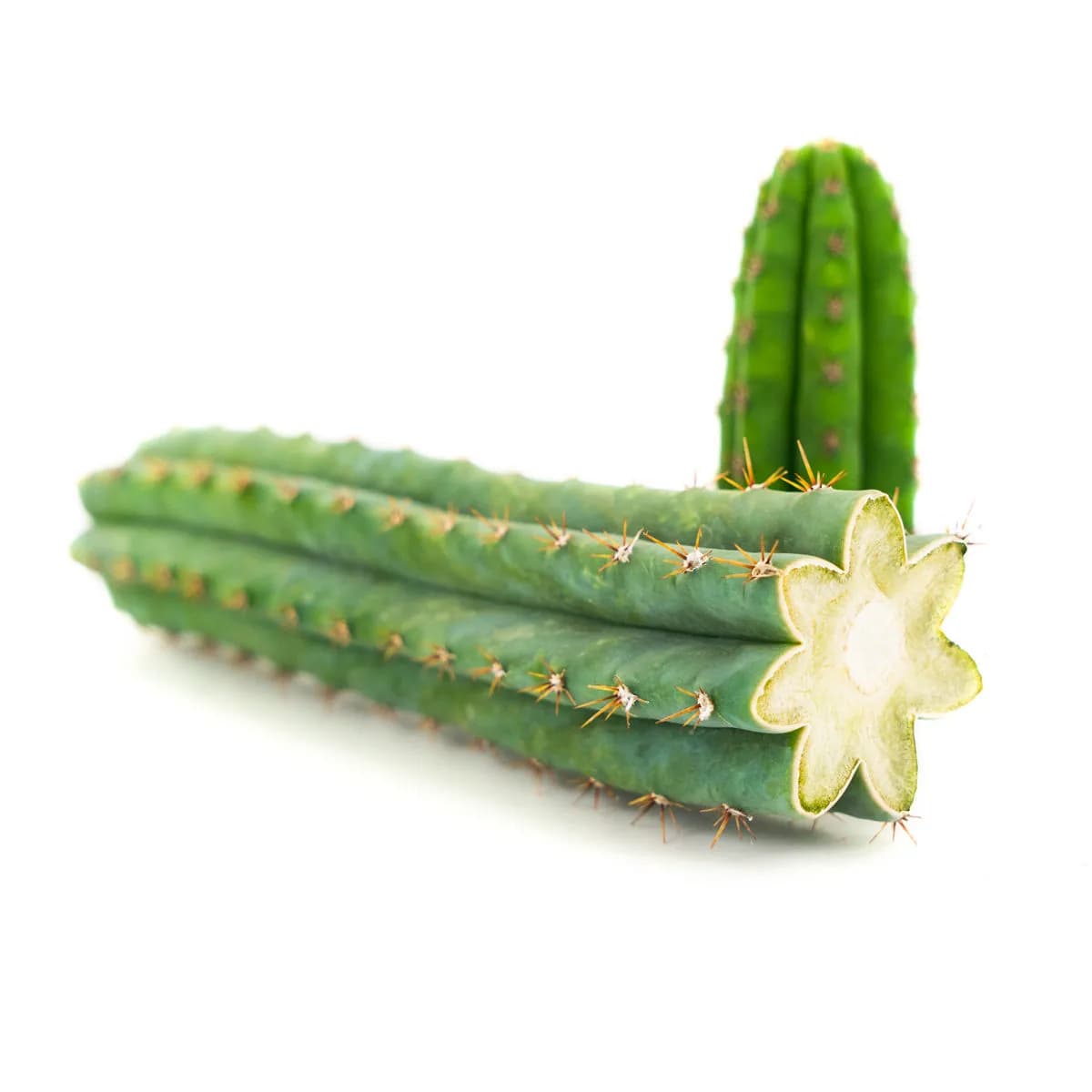
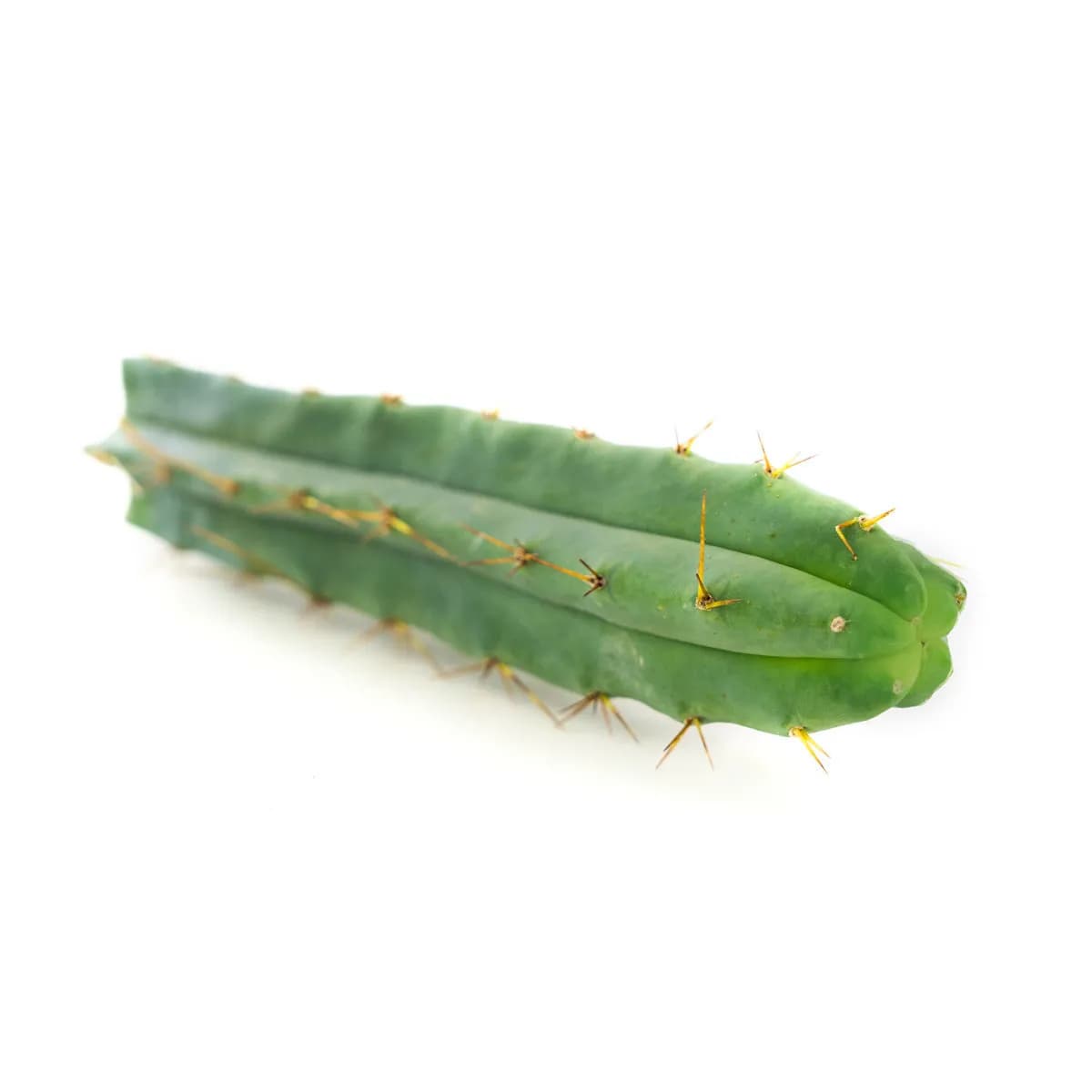
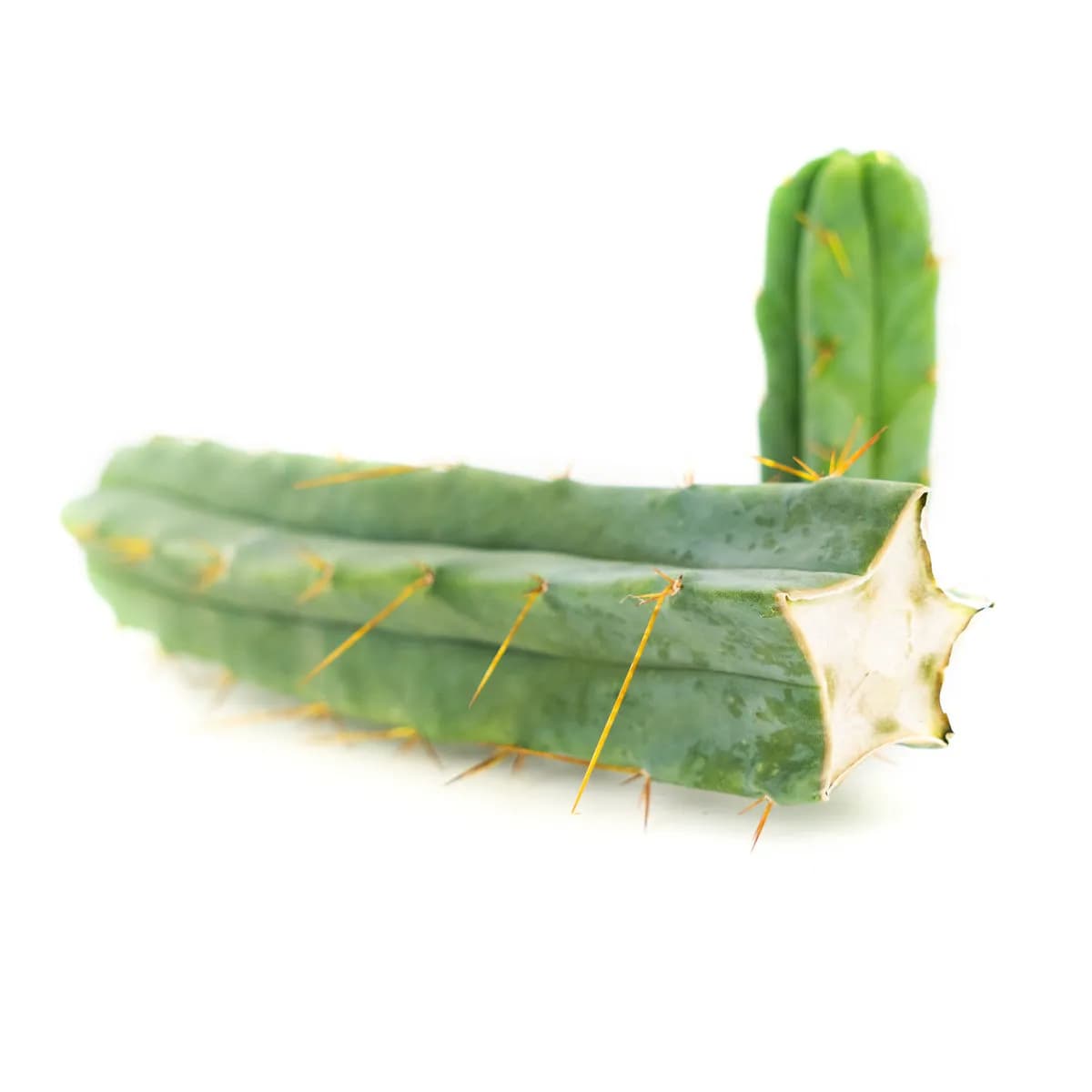
Echinopsis cuzcoensis is a bold, columnar cactus native to the mountainous Cusco region of Peru, prized for its dramatic spines, ribbed stems, and sheer vertical presence. Also classified under its former name Trichocereus cuzcoensis, this species can reach over 5 metres tall in the ground — making it one of the more imposing cacti you can grow from a single cutting. We sell cuttings in three sizes, each taken from strong, healthy mother plants and ready to root in well-draining soil.
Which Echinopsis Cuzcoensis Cutting Size Should You Choose?
Bigger cuttings root faster and have more stored energy to push new growth. The small cutting is the most affordable way to start your collection, but expect a longer establishment period before you see vertical progress. The medium is the sweet spot for most growers — enough mass to root confidently within a few weeks, compact enough to pot up on a windowsill. The large cutting is for anyone who wants a statement piece from day one: 50–60 cm of cactus that will resume growing almost immediately once rooted.
| Variant | Length | SKU | Best for |
|---|---|---|---|
| Small | 10–11 cm | SM0889 | Budget-friendly start, collectors wanting multiple specimens |
| Medium | 25–30 cm | SM0890 | Balanced rooting speed and size — our recommendation for most growers |
| Large | 50–60 cm | SM0907 | Instant visual impact, fastest establishment |
We'd pick the medium if you're buying your first Echinopsis cuzcoensis. It roots reliably and gives you a proper head start without the price tag of the large. If you're building a Trichocereus collection and want several species at once, the small cuttings let you spread your budget across more plants.
How to Root and Grow Your Echinopsis Cuzcoensis Cutting
Rooting a cactus cutting is straightforward — the main thing people get wrong is overwatering before roots have formed.
- Let the cut end callous over in a dry, shaded spot for 7–14 days. The wound should feel dry and papery to the touch — no moisture, no soft spots. This step prevents rot and is non-negotiable.
- Fill a terracotta or plastic pot with well-draining cactus soil. A 70/30 mix of mineral substrate (perlite, pumice, or coarse sand) and organic potting soil works well. The pot needs drainage holes — no exceptions.
- Place the calloused cutting upright in the soil, burying about 3–5 cm of the base. For the small cutting, 2 cm is enough. You can prop it against a stake if it wobbles.
- Wait 2–3 weeks before the first watering. Seriously — patience here is everything. The cutting will push roots into dry soil on its own. Watering a rootless cactus sitting in damp soil is the fastest route to a mushy, rotting stump.
- After 3 weeks, water lightly. Let the soil dry completely between waterings. Once you see new growth at the tip (a lighter green, slightly glossy section), roots are established and you can shift to a normal cactus watering schedule.
- Give it as much direct sunlight as you can. A south-facing windowsill works indoors; outdoors in full sun is even better during warmer months. Echinopsis cuzcoensis is a high-altitude Peruvian species — it wants bright light and doesn't burn easily.
Specifications for Echinopsis Cuzcoensis Cuttings
Every cutting ships unrooted, taken from mature mother plants. Here are the key facts at a glance.
| Specification | Detail |
|---|---|
| Species | Echinopsis cuzcoensis (syn. Trichocereus cuzcoensis) |
| Origin | Cusco region, Peru |
| Growth habit | Columnar, upright |
| Mature height | 5+ metres in-ground; smaller in pots |
| Flower colour | White |
| Flower size | Up to 16 cm long |
| Flowering time | Night-blooming, flowers persist into morning |
| Pollination | Self-sterile — requires cross-pollination for seed |
| Cold tolerance | Down to -9°C |
| Soil | Well-draining cactus mix (mineral-heavy) |
| Watering (winter) | Minimal — near-dry conditions |
| Available sizes | Small (10–11 cm), Medium (25–30 cm), Large (50–60 cm) |
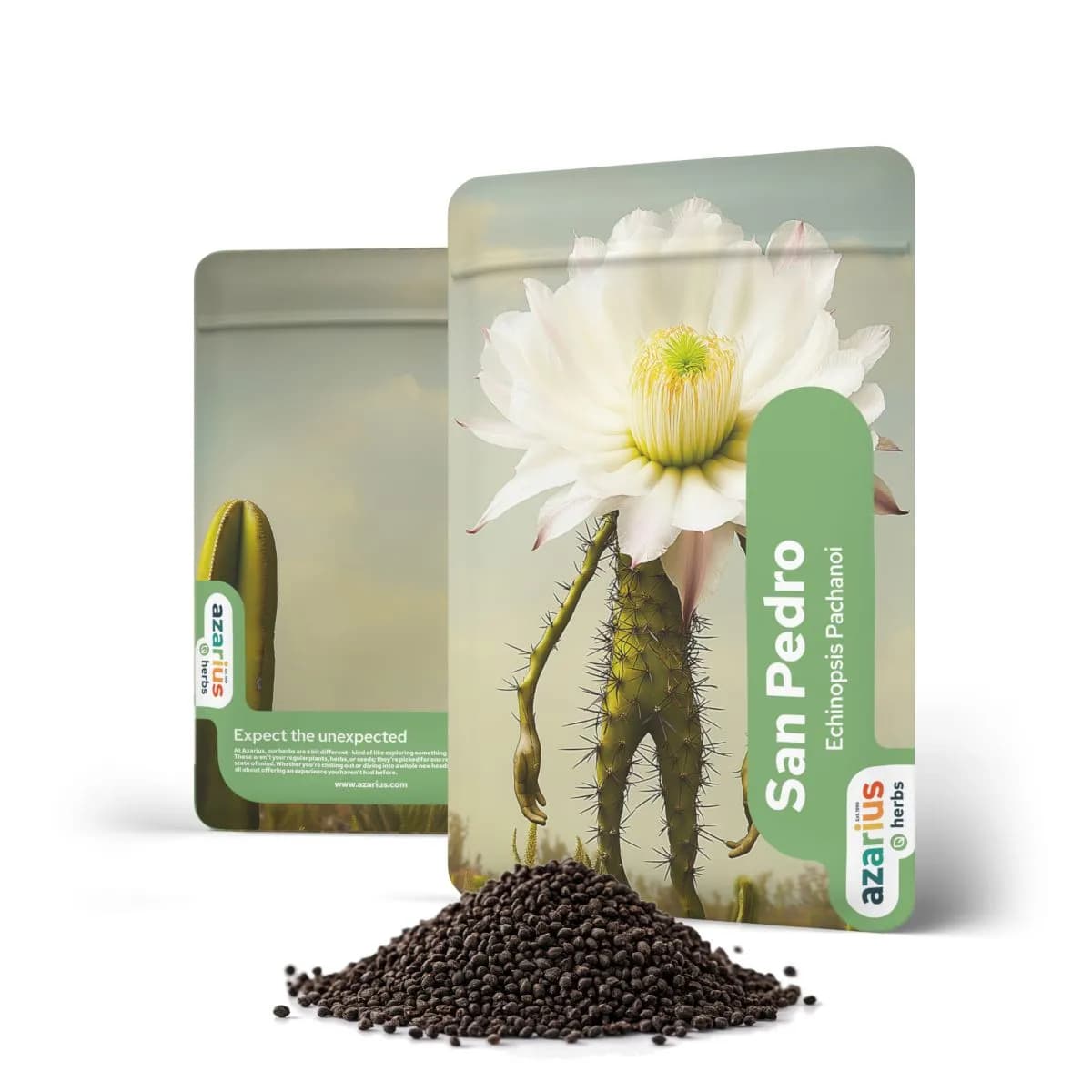
Building a Trichocereus collection? Pair your Echinopsis cuzcoensis with a San Pedro cactus (Echinopsis pachanoi) or a Peruvian Torch (Echinopsis peruviana) for a trio of classic South American columnar cacti. If you need soil, grab a bag of cactus potting mix — the pre-blended mineral ratio saves you from mixing your own.
Why Echinopsis Cuzcoensis Belongs in Your Collection
Most columnar cacti look roughly similar from across the room. Echinopsis cuzcoensis doesn't. The spines on this one are properly aggressive — long, amber-toned needles radiating from well-defined areoles along deep ribs. Pick up the cutting and you'll feel the weight of a dense, woody core wrapped in that thick, waxy green skin. It looks like a cactus that's been surviving Andean winters at 3,000 metres altitude, because it has.
That cold hardiness is the practical selling point. At -9°C tolerance, this is one of the few Trichocereus species you can leave outdoors year-round in milder European climates — southern UK, coastal Netherlands, most of France. Most tropical cacti would turn to mush at those temperatures. Echinopsis cuzcoensis just shrugs it off, provided the soil stays dry through winter. We've had customers in the south of England report established plants surviving frost without any protection beyond a rain shelter.
The honest limitation: flowering. Echinopsis cuzcoensis produces stunning white blooms up to 16 cm long that open at night and linger into the morning — but it takes years of growth before a cutting reaches flowering maturity, and indoor specimens may never bloom at all. If flowers are your priority, you'll need patience and outdoor growing conditions. The plant itself, though, is worth growing for the architecture alone. A mature specimen with its ribbed columns and fierce spination is more visually striking than most cacti twice its price.
Compared to the more common San Pedro (Echinopsis pachanoi), the Cuzco cactus grows a bit slower but develops much more pronounced spines. San Pedro tends toward a smoother, almost friendly look; Echinopsis cuzcoensis looks like it means business. If you already grow pachanoi and want something with more visual bite, this is the next step.
Care Tips for Echinopsis Cuzcoensis Through the Seasons
Spring through autumn, water when the top 3–4 cm of soil is completely dry. In a terracotta pot outdoors, that might mean once a week in summer. Indoors under grow lights, maybe once every 10–14 days. Overwatering is always worse than underwatering with this species — when in doubt, wait another 3 days.
Winter is the critical period. Drop watering to almost nothing — once a month at most, or skip it entirely if the plant is dormant outdoors. The cold tolerance of -9°C only holds when the roots are dry. Wet roots plus freezing temperatures equals rot, and rot kills cacti faster than anything else. If you're overwintering outdoors, a simple rain cover (clear plastic sheet on stakes) keeps water off while still allowing airflow.
Feeding is minimal. A diluted cactus fertiliser once a month during the growing season (April to September) is plenty. High-nitrogen feeds push soft, etiolated growth — stick with a low-nitrogen, high-potassium formula designed for cacti and succulents.
Frequently Asked Questions
How long does it take an Echinopsis cuzcoensis cutting to root?
Typically 2–4 weeks in warm conditions (above 20°C). You'll know roots have formed when the cutting feels firmly anchored in the soil and you see fresh growth at the tip. The large 50–60 cm cutting tends to root fastest due to its greater energy reserves.
Can I grow Echinopsis cuzcoensis indoors?
Yes, provided you give it strong direct light — a south-facing window at minimum, or supplemental grow lights. Indoor specimens grow more slowly and are unlikely to flower, but they'll still develop that distinctive ribbed, spiny form. Rotate the pot quarterly to prevent leaning.
What is the difference between Echinopsis cuzcoensis and Trichocereus cuzcoensis?
Same plant, different name. Trichocereus cuzcoensis is the older classification. Taxonomists moved most Trichocereus species into the Echinopsis genus, though many collectors and nurseries still use both names interchangeably.
How fast does Echinopsis cuzcoensis grow?
In optimal outdoor conditions with full sun and regular feeding, expect 15–30 cm of vertical growth per year once established. Potted indoor plants typically manage 5–15 cm annually. Mature specimens can exceed 5 metres in the ground.
Does Echinopsis cuzcoensis need cross-pollination to produce seeds?
Yes. The species is self-sterile, so you need a genetically distinct Echinopsis cuzcoensis or a compatible Trichocereus species flowering at the same time. Without a pollination partner, you'll get flowers but no viable seed.
How cold-hardy is Echinopsis cuzcoensis really?
Down to -9°C when the soil is dry — that's the critical part. Wet roots in freezing conditions cause rot. In practice, a rain shelter and free-draining soil let this cactus survive most mild European winters outdoors without additional protection.
What soil mix works best for Echinopsis cuzcoensis?
A 70/30 blend of mineral material (perlite, pumice, or coarse sand) to organic potting soil. The goal is fast drainage — water should run through the pot within seconds. Pre-mixed cactus soils from garden centres work, though adding extra perlite improves them.
Last updated: April 2026
Powiązane produkty

Informacja medyczna. Ta treść ma charakter wyłącznie informacyjny i nie stanowi porady medycznej. Przed zastosowaniem jakiejkolwiek substancji skonsultuj się z wykwalifikowanym pracownikiem służby zdrowia.